
Aviator on a Low-End Phone: Data and Timing
Aviator is a crash game by Spribe that runs inside an operator’s website or app. It shows an increasing curve and a multiplier that can crash at any time, while the player decides when to cash out.
This guide explains what matters on a low-end phone: the game’s light build, data use, response time, battery demand and connection quality. It also explains why a cash-out can time out and which controls may help reduce repeated phone input.
How Aviator Loads
Aviator 2.0 was released on 15 August 2019 with a build described as 40% faster and lighter for slow connections and low-end phones. The game works in desktop, tablet and mobile browsers without requiring a standalone Spribe app.
The mobile version presents a focused game screen rather than a large collection of casino content. The exact surrounding menu, login process and payment area depend on the operator hosting Aviator.
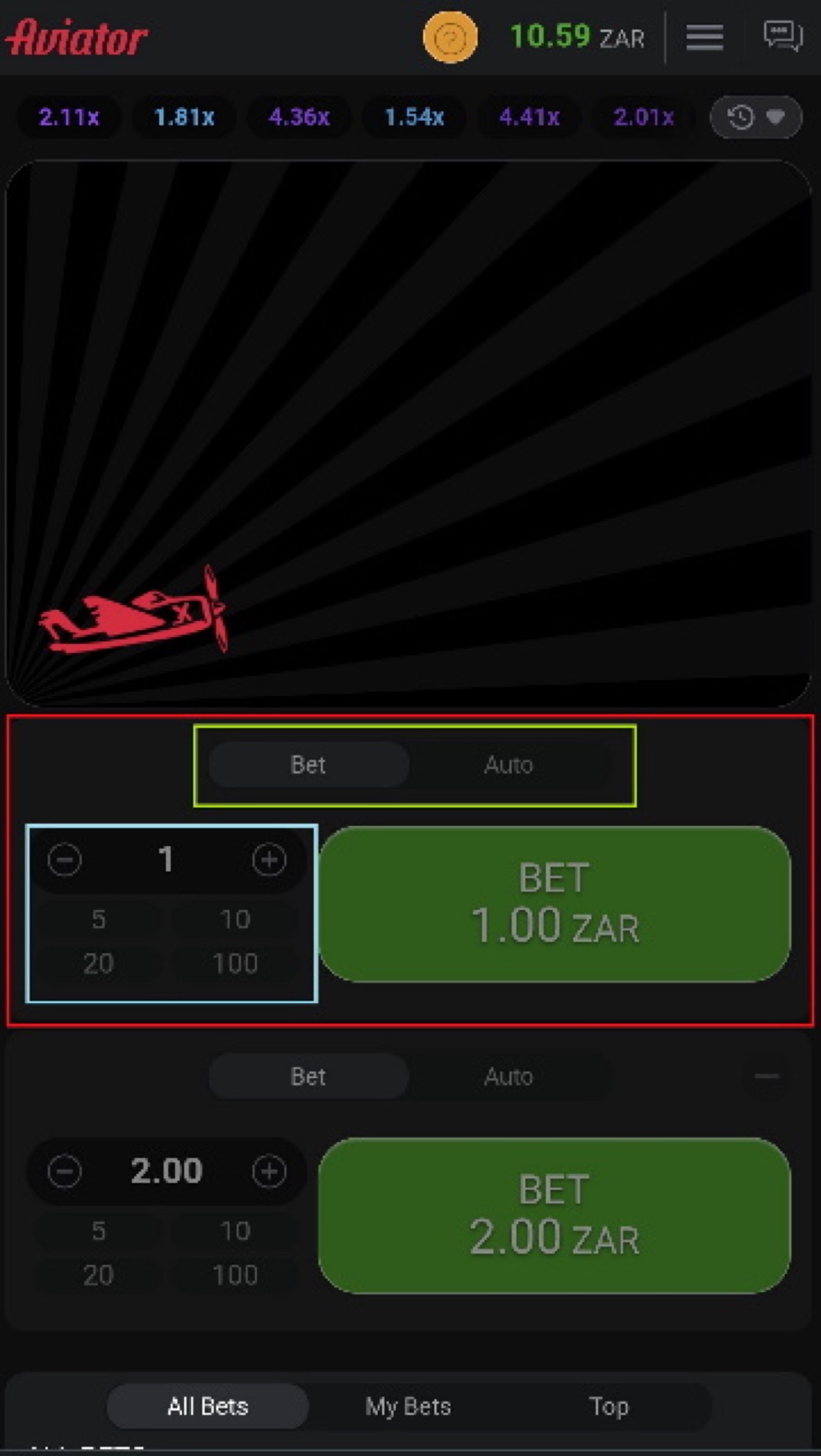
Aviator’s mobile view places the multiplier, betting controls and round information on a phone screen.
Spribe describes Aviator as a social multiplayer game built around an increasing curve. It is a crash game, also called an instant game, rather than a slot, so it has no slot-style bonus round.
The core round does not need a high-resolution video stream. The phone receives the game interface, round information and player actions while the curve and multiplier move on the screen.
- Aviator 2.0 is designed for slow connections and low-end phones.
- The game runs through an operator’s website or app.
- A standalone official Aviator app from Spribe does not exist.
- Third-party “Aviator” and “Aviator Predictor” apps may use virtual coins or advertisements.
A browser session can still feel slow if the phone has little free memory, many open tabs or a weak connection. Those conditions affect how quickly the interface responds, even though they do not change the fixed crash point for a round.
Data Use and Bandwidth
Aviator 2.0 was made lighter for slow connections and low-end phones. Spribe also describes Aviator as built for low bandwidth and budget devices.
No fixed data-use figure is published in the supplied information, so consumption cannot be stated as a set number of megabytes per round. The amount can vary with the operator’s page, chat activity, account screens and the phone’s browser.
The game sends and receives information needed for the active round. That includes the current multiplier, the crash result, bets, cash-out actions, chat messages and interface updates.
| Phone activity | What it can involve | Why it matters |
|---|---|---|
| Active round | Multiplier and crash information | The screen must keep receiving updates |
| Betting | Stake and cash-out requests | Actions must reach the server |
| Chat | Messages, emojis and GIFs | More interface activity can occur |
| Account area | Login, balance and operator pages | The host page can add extra loading |
Chat is part of the Aviator interface and can include emojis and GIFs. A player trying to limit data use can keep attention on the game screen and avoid unnecessary chat activity while playing.
The game’s Rain Promo can also place free bets into chat, with the first players to tap “claim” receiving them. Operator announcements, live bets and chat can therefore add activity beyond the multiplier itself.
- Open only the operator page or app needed for Aviator.
- Close unused browser tabs before starting a session.
- Keep chat closed or unused when data is limited.
- Avoid switching repeatedly between the game and other pages.
- Use demo mode first if you want to test how the phone and connection behave.
Demo mode is available through an operator demo or demo.spribe.io and needs no registration. It can show whether the phone loads the game reliably, but it cannot measure a universal data amount because the host page and connection still affect usage.
If a bookmaker offers Aviator through a website, a player may encounter different page layouts and surrounding tools. A crash game such as jogo aviator still depends on the multiplier, stake and cash-out request reaching the server in time.
Latency and Cash-Out
Aviator rounds usually last about 8-30 seconds, with 60-90 rounds available in an hour. The crash point is fixed before take-off, and the cash-out request must reach the server before the crash.
A cash-out time-out can result from latency or a slow device rather than a changed result. The operator and Spribe cannot change the result after the round starts, but a late request may not be accepted before the crash.
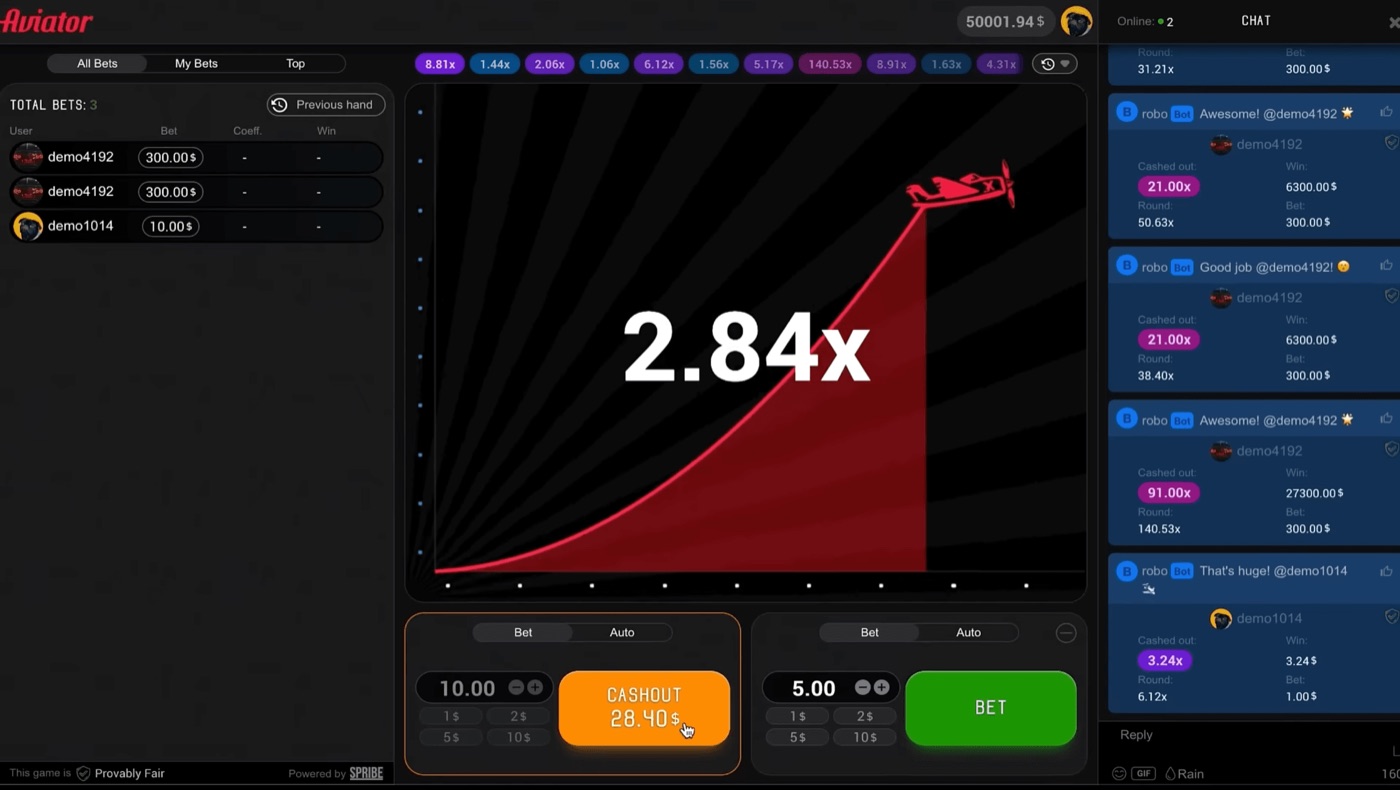
The interface shows live bets, chat and a cash-out displayed at 28.40.
Latency is the delay between an action on the phone and its arrival at the game server. On a low-end phone, delay can involve the browser, the connection, the operator’s page and the server response.
The rising multiplier can continue while the phone is processing a tap. If the crash occurs during that delay, the result may be a failed or timed-out cash-out. A displayed multiplier is not a promise that a later tap will succeed.
- Tap the cash-out control once and wait for the result.
- Do not assume a slow screen means the round is still active.
- Check whether the balance or bet panel confirms the cash-out.
- Test the same phone in demo mode before using a stake.
- Stop if the connection repeatedly drops during active rounds.
Aviator includes Auto Cash-Out, which sends a preset cash-out instruction at a selected multiplier. This can reduce the need to tap manually, but it does not remove the need for a working connection or guarantee a cash-out if the request cannot be processed.
The game also supports Auto Bet and Auto Play for 10-100 rounds, with stop-on-win and stop-on-loss settings. These controls can reduce repeated tapping, but they can also place repeated bets, so a player should check the selected stake and limits before activating them.
Battery and Connection
Aviator 2.0 was designed to be lighter for low-end phones and slow connections. A round normally runs for about 8-30 seconds, so the phone must maintain the session while the multiplier is active.
Battery demand depends on the phone, screen brightness, browser, connection and other running processes. The supplied information gives no fixed battery percentage or playing time for Aviator.
The game interface updates during a round and may also show live bets, round history, chat and other panels. Each visible feature can add work for a budget phone, especially when several browser tabs remain open.
- Charge the phone before starting a session.
- Lower screen brightness if that suits the player’s normal phone settings.
- Close apps and tabs that are not needed.
- Keep the phone still if movement causes the connection to change.
- Leave the game if the device becomes hot or repeatedly freezes.
Connection stability matters more than a large download speed figure. A brief interruption at the cash-out point can be more important than a fast connection that drops for a moment.
Playing off-peak may make the connection feel smoother, according to common Aviator guidance, but it does not improve the odds. Rounds are independent, and a quieter time does not change the 3% house edge.
Responsible gambling means setting a loss limit before play and stopping when that limit is reached. A low-end phone can improve access to the game, but it does not reduce financial risk.
Small-Screen Controls
Aviator provides two bet panels per round, and each panel has a separate cash-out. The interface also includes Bet and Auto tabs, typical quick-stake buttons, round history, live bets, chat and a Provably Fair badge.
Auto Cash-Out accepts a preset multiplier, while Auto Bet and Auto Play can cover 10-100 rounds. These named controls can reduce repeated screen touches, but their availability and betting limits still depend on the operator.
The operator page shows a login window before access to the Aviator game.
Two bet panels can be useful on a small screen when the player wants different cash-out settings. One panel may use Auto Cash-Out while the other is controlled manually, but each action still depends on the connection.
The live bets panel can show All Bets, My Bets and Top sections. The Top area can include daily, monthly and all-time wins, while the round history displays previous multipliers at the top of the game.
- Confirm the correct bet panel before entering a stake.
- Check whether the Bet or Auto tab is selected.
- Review the Auto Cash-Out multiplier before starting a round.
- Check the number of rounds selected for Auto Play.
- Use the stop-on-win and stop-on-loss options when they match the intended limit.
A small display can make accidental taps more likely when several controls are close together. Reading the selected stake, panel and cash-out setting before the round starts is more useful than trying to react faster during the multiplier rise.
Operators may place Aviator under a Casino or Instant Games menu, while other layouts may show it in a top menu or crash section. The route to the game, login screen and account tools depends on the operator.
Fairness and Phone Limits
Aviator uses a SHA-256 hash of the server seed before each round. The crash point is fixed before take-off, and player client seeds are combined with the server seed.
After the round, the inputs are revealed and can be checked with the verification tool inside the game. This process means a low-end phone can delay an action, but it cannot make a later phone tap change the already fixed crash point.
The published RTP is 97%, with a 3% house edge. The probability that a round reaches multiplier m is 0.97 divided by m, while the expected value remains minus 3% of the stake at every cash-out target.
| Target multiplier | Probability of reaching it |
|---|---|
| 1.2x | 80.8% |
| 1.5x | 64.7% |
| 2x | 48.5% |
| 5x | 19.4% |
| 10x | 9.7% |
| 100x | 0.97% |
About 3% of rounds, or roughly 1 in 33, crash instantly at 1.00x. A strategy can change variance, but it cannot remove the house edge.
- Patterns do not change the probability of the next round.
- Graph analysis does not change the fixed crash point.
- A calculator cannot predict the next result.
- Martingale reaches 1,024 times the base stake after 10 losses.
- Fibonacci and D’Alembert systems do not beat the 3% edge.
There is no published maximum multiplier from Spribe, and win caps per round are set by each operator. Typical stakes range from about $0.10 to $100 per bet, but the available amount depends on the operator.
Aviator FAQ
Aviator rounds last about 8-30 seconds, and the game supports mobile browsers. The following answers address the most common low-end phone, connection and cash-out questions.
Can a low-end phone run Aviator?
Yes, Aviator 2.0 was made lighter for slow connections and low-end phones. It runs inside an operator’s website or app, and the phone still needs to load the operator page and maintain a connection.
Does Aviator use a fixed amount of data?
No fixed data-use number is published in the supplied information. Usage varies with the operator page, chat, live bets, account screens, browser activity and the connection.
Why did my cash-out time out?
The cash-out request may have reached the server after the crash because of latency, a slow device or a dropped connection. The request must arrive before the crash for the cash-out to be accepted.
Can an Aviator predictor work on a phone?
No. The crash point is committed by a hash before the round, and predictor apps or signal bots cannot know the result in advance. Third-party predictor apps may also use virtual coins or advertisements.
Can Auto Cash-Out help on a small screen?
Auto Cash-Out can reduce the need for a manual tap by using a preset multiplier. It does not guarantee a result when the phone or connection cannot send or process the instruction in time.